
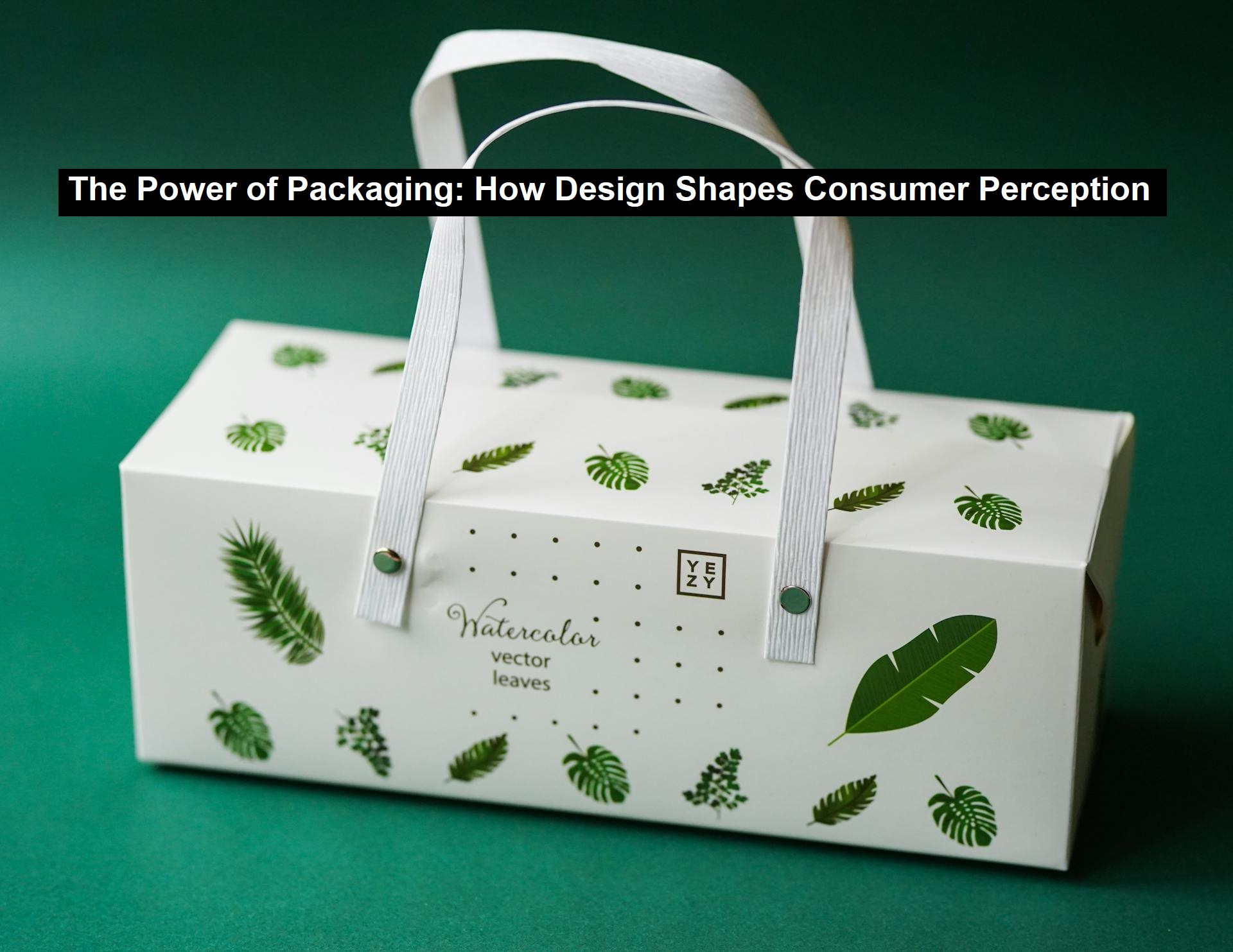
The Power of Packaging: How Design Shapes Consumer Perception
Packaging is more than just a container; it’s a crucial element of your brand’s identity and plays a significant role in shaping consumer perceptions. Effective packaging communicates who you are as a company and influences how customers view and choose your products.
The importance of color psychology in packaging design is undeniable. Different colors evoke specific emotions—red can convey excitement and urgency, blue suggests trust and reliability, green signifies sustainability, yellow communicates positivity, and black denotes luxury and sophistication.
The choice of material also impacts consumer behavior. Cardboard is often perceived as eco-friendly but can be associated with waste concerns. When pursuing international expansion, a company must recognize the power of packaging to quickly communicate brand identity and meet diverse regulatory and cultural expectations across global markets. Plastic offers durability and versatility but faces sustainability criticisms. Glass is seen as premium and recyclable, yet it is heavier and more fragile.
Packaging design aesthetics matter too, as many consumers value purchasing something that speaks a design language they relate to. The power of packaging extends beyond marketing, playing a critical role in optimizing supply chains in business by protecting goods, maximizing shipping density, and providing essential tracking information. Your design reflects your brand’s identity and professionalism. Whether minimalist, bold, or sophisticated, packaging communicates your company’s values and attention to detail to consumers.
Read: 6 Important Warehouse Safety Tips
Functionality is crucial; consumers expect packaging to be user-friendly, protective, and indicative of quality. Prioritizing usability, appropriate materials, and clear labeling enhances the customer experience and builds trust.
Brand messaging on packaging strengthens brand loyalty and encourages repeat purchases. Clear, authentic, and consistent messaging reinforces your brand identity and fosters customer loyalty.
In essence, every detail of your packaging—from color and material to design and messaging—conveys a message to consumers. Effective risk management strategies in the food and pharmaceutical industries often involve sophisticated packaging designs to ensure product integrity, prevent tampering, and minimize contamination. By thoughtfully addressing these elements, you can create packaging that resonates with your audience and distinguishes your brand in the marketplace.
What Does Packaging Say About Your Brand is offered by Salazar Packaging, a provider of sustainable packaging solutions
For further insights into effective packaging design, continue reading on to the detailed resource highlighted alongside this post.